

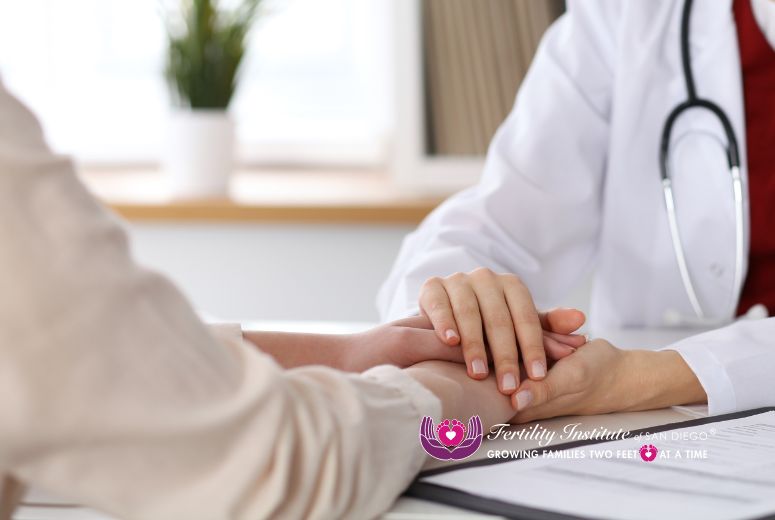
Cervical Health Awareness Month is an important reminder that cervical health and fertility are deeply interconnected. For women planning pregnancy, whether naturally or through assisted reproductive technologies, cervical screening before pregnancy is not a formality. It is a cornerstone of preconception health and long-term reproductive success. At a trusted fertility clinic San Diego families rely on, proactive cervical care is part of building confidence, safety, and clarity before conception ever begins.
At Fertility Institute of San Diego, patients are guided through this process personally by Dr. Minoos Hosseinzadeh, Founder and Medical Director. This physician-led, start-to-finish approach ensures that cervical health is evaluated in context, not isolation.
Defining Cervical Health in the Context of Fertility
Cervical health refers to the structural, cellular, and immunologic well-being of the cervix. This narrow yet vital passageway acts as a biological gatekeeper, regulating sperm transport, protecting the uterus from infection, and supporting early embryo implantation. When compromised, even subtly, fertility outcomes may be affected.
Cervical health and fertility are often discussed only after an abnormal Pap smear or a positive HPV test. However, preemptive cervical screening before pregnancy allows women to address risks early, when options are broader and outcomes more favorable.
How Cervical Health Impacts Fertility and Pregnancy
The cervix plays a dynamic role throughout the reproductive continuum. Healthy cervical mucus facilitates sperm capacitation. Adequate cervical length supports pregnancy maintenance. Intact cervical tissue integrity helps prevent ascending infections.
Disruptions may include:
- Chronic cervical inflammation altering implantation receptivity
- Structural changes after cervical procedures
- Persistent HPV infection affecting cellular stability
As Dr. Hosseinzadeh explains, “We evaluate cervical health not just to rule out disease, but to understand how the cervix may influence implantation, pregnancy progression, and overall fertility resilience.”
Why Cervical Screening Before Pregnancy Matters
Cervical screening before trying to conceive identifies risks that may otherwise surface during pregnancy, when intervention options are more limited. Pap smear and fertility planning go hand in hand, particularly for women over 30 or those with a history of abnormal results.
Benefits of early screening include:
- Timely management of abnormal Pap smear and fertility concerns
- Informed planning after cervical procedures and pregnancy risks
- Reduced anxiety during fertility treatment cycles
At a fertility clinic San Diego patients trust, screening is integrated into a comprehensive fertility readiness assessment, not treated as a disconnected gynecologic task.
Who Should Prioritize Cervical Health Screening
Cervical screening before pregnancy is recommended for:
- Women planning natural conception within the next year
- IVF and egg freezing candidates
- Women with prior HPV testing abnormalities
- Patients with a history of LEEP procedure and future pregnancy concerns
“Even patients with normal cycles and no symptoms benefit from proactive screening,” notes Dr. Hosseinzadeh. “Cervical health often tells a story before infertility symptoms appear.”
When to Get a Pap Smear Before Pregnancy
Timing matters. Ideally, cervical screening before trying to conceive should occur three to six months prior to fertility treatment or active conception attempts. This window allows for follow-up testing, healing after minor procedures, and peace of mind.
Patients undergoing fertility testing San Diego programs often complete cervical evaluations alongside hormonal, ovarian, and uterine assessments, creating a cohesive diagnostic timeline.
Symptoms That Should Never Be Ignored
Cervical conditions are frequently asymptomatic, which is why routine screening is essential. When symptoms do appear, they may include:
- Irregular bleeding
- Post-coital spotting
- Persistent pelvic discomfort
- Unusual discharge
These signs warrant immediate reproductive health screening, especially when fertility planning is underway.
Causes and Risk Factors Affecting Cervical Health
The most common contributor to cervical abnormalities is HPV. Understanding HPV and pregnancy planning is crucial for modern fertility care.
Risk factors include:
- Persistent high-risk HPV infection
- Smoking, which alters cervical cellular repair
- Immune system dysregulation
- Prior cervical infections
Does HPV affect fertility directly? In most cases, HPV does not prevent conception. However, untreated cervical changes or repeated procedures can indirectly influence fertility outcomes.
Cervical Procedures and Fertility Implications
Procedures such as colposcopy or LEEP are often lifesaving. Still, they require thoughtful fertility planning after abnormal cervical screening.
Potential considerations include:
- Cervical length monitoring during pregnancy
- Timing IVF cycles post-procedure
- Adjusting embryo transfer techniques
Dr. Hosseinzadeh emphasizes, “Our role is to balance oncologic safety with fertility preservation. With proper planning, most women achieve healthy pregnancies after cervical treatment.”
Prevention and Long-Term Fertility Wellness
Prevention extends beyond screening. Cervical health checklist before IVF planning often includes:
- Routine HPV testing
- Lifestyle optimization to support immune health
- Timely follow-up of abnormal findings
This approach reflects fertility wellness and prevention rather than reactive care.
Types of Treatment Available
Treatment depends on findings and reproductive goals:
- Observation with repeat screening
- Targeted cervical procedures
- Fertility-adapted IVF preparation checklist strategies
At Fertility Institute of San Diego, treatment planning occurs collaboratively, with transparency and compassion.
Costs and Access to Care
Cervical screening costs are generally modest compared to fertility treatment expenses. When performed within a fertility clinic San Diego patients benefit from consolidated diagnostics, reduced delays, and coordinated insurance guidance.
Frequently Asked Questions
Trust Built Through Comprehensive, Physician-Led Care
Cervical Health Awareness Month is not only about cancer prevention. It is about empowering women with foresight. At Fertility Institute of San Diego, cervical health and fertility are evaluated as one continuous narrative.
As Dr. Hosseinzadeh states, “Our goal is not just pregnancy, but sustainable reproductive health that supports families for decades to come.”
If you are preparing for pregnancy, IVF, or egg freezing, cervical screening offers clarity and control. If you’re ready to start your fertility journey, please book a complimentary virtual consultation with Dr. Hosseinzadeh to review fertility options or any reproductive health questions.