

IVF patients in San Diego often begin their journey with a mix of optimism and uncertainty, searching for the most effective way to support their bodies through each stage of treatment. Fertility wellness is more than a collection of habits; it is a strategic, nurturing lifestyle that strengthens the body’s physiological readiness for conception. At the Fertility Institute of San Diego, Dr. Minoos Hosseinzadeh emphasizes that lifestyle alignment is one of the most overlooked pillars of reproductive health. “Your body responds to consistency, nourishment and balance. Thoughtful preparation can elevate both emotional stability and biological resilience,” she explains.
A carefully structured IVF diet and lifestyle plan supports hormone balance, promotes optimal ovarian function and enhances the body’s ability to respond to stimulation medications. Each patient’s wellness blueprint is unique, yet the principles of nourishment, movement and mind-body connection remain foundational across all fertility journeys.
Understanding Fertility Wellness
Fertility wellness refers to an integrative approach that prepares the body for IVF success through nutritional optimization, controlled physical activity, restorative sleep cycles and targeted stress-reduction techniques. These lifestyle elements influence hormone modulation, mitochondrial health, ovulatory patterns and overall reproductive performance.
For IVF patients San Diego preparing for a cycle, wellness practices improve cellular health, reinforce endocrine stability and help mitigate treatment-related fatigue. “Lifestyle does not replace medical science, but it strengthens its impact,” Dr. Hosseinzadeh notes.
Best Diet for IVF Success
A balanced, nutrient-dense diet is one of the most valuable tools for improving fertility outcomes. Choosing fertility-friendly foods to eat before IVF enhances ovarian responsiveness and supports a healthy uterine environment.
Core Nutrition Principles
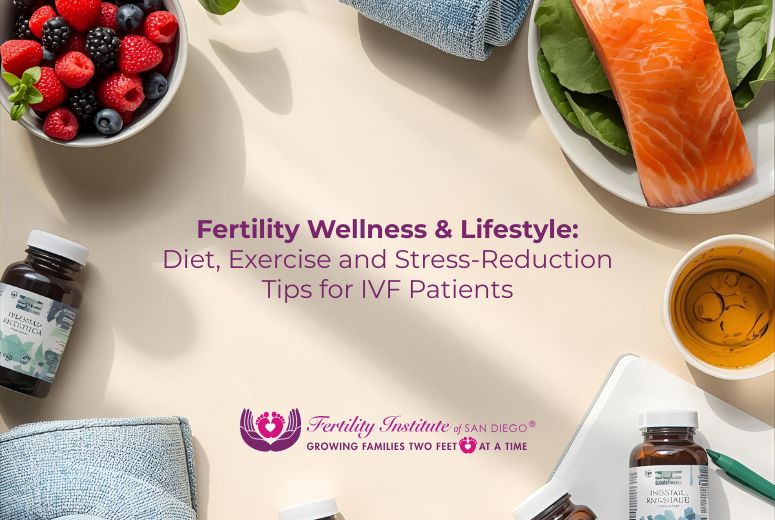
- Emphasize antioxidant-rich foods such as berries, leafy greens, pomegranate and colorful vegetables
- Select high-quality proteins including eggs, legumes, poultry and low-mercury fish
- Incorporate omega-3 sources like salmon, sardines, chia seeds and walnuts
- Choose slow-digesting complex carbohydrates such as quinoa, oats, barley and sweet potatoes
- Opt for cold-pressed olive oil and avocado for healthy fats
These nutrients support hormone regulation, egg maturation and cellular vitality. As Dr. Hosseinzadeh states, “Nutrition is one of the few fertility factors patients can control directly, and its influence on reproductive health is profound.”
Foods to Limit
Understanding what to avoid during IVF treatment is equally essential. Patients are advised to minimize:
- Trans fats
- Excess caffeine
- High glycemic snacks
- Alcohol
- Processed foods with artificial additives
These items may disrupt hormone balance, increase inflammation and reduce the body’s adaptive capacity during stimulation cycles.
Exercise Guidelines for IVF Patients
An effective fertility exercise routine is not about intensity but about circulation, hormonal equilibrium and maintaining joint and muscular flexibility. Exercise guidelines for IVF patients suggest maintaining movement while avoiding strain that may interfere with ovarian stimulation.
Recommended Activities
- Low-impact yoga
- Brisk walking
- Light resistance training
- Swimming or aquatic aerobics
- Pilates for core stability
These movements encourage blood flow to reproductive organs and support mood regulation. Patients should avoid high-intensity workouts, heavy lifting and vigorous cardio once stimulation medications begin.
Dr. Hosseinzadeh emphasizes moderation. “Your goal is to stay active without overtaxing your system. Gentle movement helps energy, sleep and emotional balance.”
How Stress Affects IVF Success Rates
Stress is a biochemical disruptor. Elevated cortisol levels can affect ovulation, progesterone levels, implantation likelihood and overall IVF success rates. Stress-reduction techniques during IVF allow the body to recalibrate and maintain healthy hormonal symmetry.
Effective Mind-Body Strategies
- Guided meditation for fertility
- Deep diaphragmatic breathing
- Acupuncture sessions
- Progressive muscle relaxation
- Visualization practices
- Nature walks for grounding
These methods stabilize the nervous system and improve the mind-body connection, a key element in holistic wellness tips for IVF patients. According to Dr. Hosseinzadeh, “Reducing stress is not simply emotional care; it is endocrine care.”
Sleep and Fertility Connection
Sleep acts as an internal regulator that affects hormone production, metabolic efficiency and cellular repair. For IVF patients San Diego, establishing high-quality sleep patterns is a cornerstone of IVF diet and lifestyle preparation.
Sleep Optimization Tips
- Maintain consistent sleep hours
- Limit blue-light exposure 2 hours before bed
- Keep the bedroom cool and dark
- Avoid heavy meals late at night
- Consider magnesium glycinate under guidance
- Create a nightly wind-down ritual
Healthy fertility habits often begin with small changes that enhance circadian rhythm stability and hormonal health.
Supplements That May Support Fertility
Targeted supplementation should always be supervised by a reproductive endocrinologist. Evidence-based supplements that may support fertility wellness include:
- CoQ10 for mitochondrial function
- Omega-3 fatty acids
- Myo-inositol for improved ovulatory balance
- Prenatal vitamins with methylated folate
- Vitamin D3 for ovarian and immune health
The Fertility Institute of San Diego customizes supplement plans based on medical history, hormone profiles and diagnostic insights to ensure optimal IVF outcomes.
Lifestyle Changes to Improve Fertility Outcomes
Preparing your body for IVF naturally includes adopting holistic practices that strengthen overall vitality.
Recommended Lifestyle Enhancements
- Hydration of 2.5 to 3 liters daily
- Limited environmental toxin exposure
- Prioritizing whole food nutrition
- Incorporating regular sunlight
- Building a restorative weekly routine
- Maintaining emotional support through counseling or group sessions
IVF wellness tips from fertility specialists consistently highlight lifestyle refinement as a core contributor to successful cycles. “Consistency is the true catalyst for change,” Dr. Hosseinzadeh explains. “Small, sustainable habits create the internal environment your fertility needs.”
FAQ Section
Yes, low-impact activities like walking, yoga and swimming are recommended. Avoid strenuous workouts once stimulation begins.
If you’re ready to start your fertility journey, please book a complimentary virtual consultation with Dr. Hosseinzadeh to go over fertility options or any other reproductive healthcare questions.