

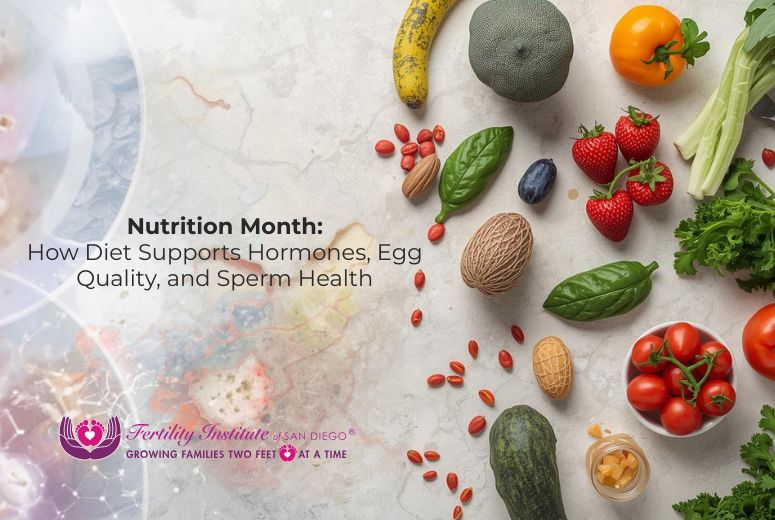
March is Nutrition Month, a timely reminder that fertility is not solely a reproductive event. It is a metabolic symphony. Hormones, mitochondrial energy, inflammatory pathways, and micronutrient status all influence reproductive potential. At the Fertility Institute of San Diego, fertility nutrition is approached as a strategic component of personalized fertility care, not a trend-driven solution.
Dr. Minoos Hosseinzadeh, Founder and Medical Director, explains, “Fertility is profoundly influenced by metabolic health. While diet is not a cure for infertility, optimizing nutrition creates a more favorable physiologic environment for both egg and sperm development.”
Why Nutrition Matters in Fertility Care
Fertility nutrition supports hormone balance, ovarian reserve, and sperm maturation. The endocrine system is exquisitely sensitive to insulin fluctuations, chronic inflammation, and micronutrient deficiencies. Understanding how diet affects fertility helps patients take proactive steps before IVF San Diego cycles or egg freezing San Diego decisions.
Nutrition supports
- Hormone balance
- Ovarian reserve function
- Sperm analysis parameters
- Inflammatory regulation
- Metabolic resilience
However, it is supportive, not corrective for advanced pathology. A comprehensive fertility testing San Diego evaluation remains essential.
How Diet Influences Hormone Balance
Hormones and diet fertility are inseparable. Blood sugar dysregulation increases insulin, which can disrupt ovulation and testosterone production. Insulin resistance and fertility challenges frequently intersect in patients with PCOS nutrition fertility concerns.
Key pathways include
- Insulin regulation
- Thyroid function
- Cortisol and stress signaling
- Estrogen metabolism
- Testosterone synthesis
An anti-inflammatory diet for fertility helps modulate cytokine activity, protecting ovarian and testicular tissue from oxidative injury.
Diet and Egg Quality
Diet and egg quality are closely connected through mitochondrial performance and oxidative stress. Egg maturation takes approximately 90 days. During this window, nutrient availability influences cellular energy production.
Oxidative stress accelerates oocyte aging. Antioxidants such as CoQ10 and certain polyphenols help mitigate free radical damage. Vitamins for egg quality including folate, vitamin D, and omega-3 fatty acids contribute to mitochondrial stability.
“Egg quality is influenced by age, but it is also influenced by cellular health,” says Dr. Minoos Hosseinzadeh. “Improving the ovarian microenvironment through evidence-based nutrition for IVF success supports better embryo development.”
Best foods for egg quality include
- Leafy greens rich in folate
- Fatty fish providing omega-3s
- Berries high in antioxidants
- Nuts and seeds with zinc
- High-quality proteins
For patients exploring IVF San Diego, optimizing fertility nutrition three months prior can be impactful.
Nutrition and Sperm Health
Sperm production spans roughly 70 to 90 days. Sperm health nutrition influences motility, morphology, and DNA integrity.
Foods that improve sperm health include
- Zinc-rich foods such as pumpkin seeds
- Selenium sources like Brazil nuts
- Omega-3 fatty acids
- Colorful vegetables with carotenoids
- Lean proteins
Antioxidants for sperm health reduce DNA fragmentation, a key parameter in sperm analysis.
Alcohol excess, marijuana use, processed foods, and trans fats impair sperm health nutrition. Heat exposure and environmental toxins also compromise spermatogenesis.
Dr. Minoos Hosseinzadeh notes, “Male factor infertility contributes to nearly half of fertility challenges. A fertility diet for men can meaningfully support sperm development, especially when combined with appropriate medical evaluation.”
The Mediterranean Pattern and Fertility
The Mediterranean diet and fertility outcomes have been widely studied. This dietary pattern emphasizes whole foods, legumes, olive oil, fish, and vegetables.
Its anti-inflammatory profile supports hormone balance and metabolic regulation. Rather than labeling it a fertility diet for women or men, it is better described as a cardiometabolic dietary model that supports reproductive physiology.
This pattern aligns with
- Stable blood glucose
- Reduced inflammatory markers
- Improved micronutrient density
- Balanced macronutrients
When Supplements Make Sense and When They Do Not
Fertility supplements evidence based recommendations include
- Prenatal vitamins with methylated folate
- CoQ10 for mitochondrial support
- Omega-3 fatty acids
- Vitamin D when deficient
Excess supplementation can create imbalance. Testing guides personalization.
“Supplements should be strategic, not excessive,” explains Dr. Minoos Hosseinzadeh. “We tailor recommendations based on laboratory evaluation and clinical history.”
Nutrition as Part of Precision Fertility Care at FISD
Lifestyle and fertility optimization work best when integrated into comprehensive care at a fertility clinic San Diego patients trust.
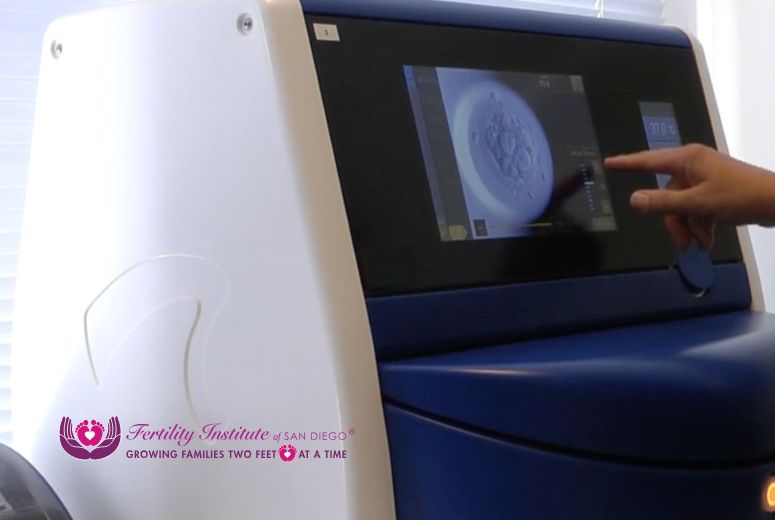
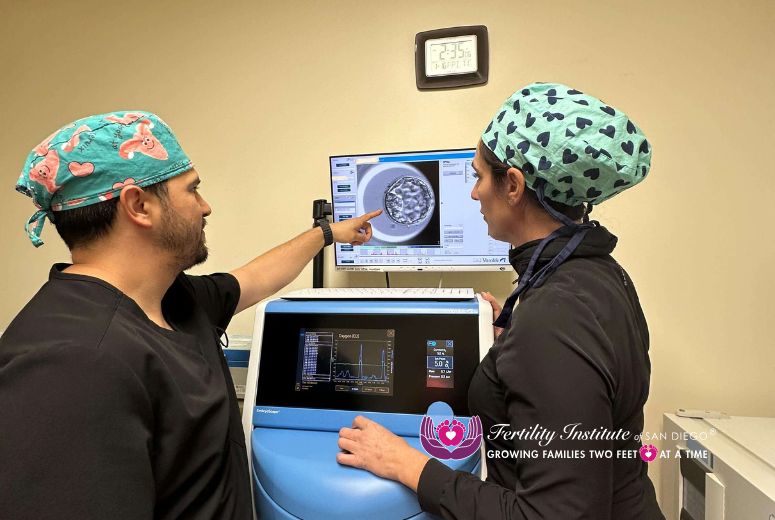
At Fertility Institute of San Diego, all IVF cycles include AI-assisted EmbryoScope technology with Chloe AI, providing continuous embryo monitoring and data-informed embryo selection as part of a precision fertility approach.
Nutrition supports embryo quality before laboratory selection begins. Data-driven embryology combined with metabolic optimization improves confidence in decision making.
This integrated strategy includes
- Fertility testing San Diego diagnostics
- AMH and fertility evaluation
- Hormone balance assessment
- Sperm analysis
- Personalized fertility care planning
What Nutrition Cannot Do
It is important to clarify limitations.
Nutrition cannot
- Reverse severe ovarian failure
- Eliminate age-related decline
- Replace medical treatment
- Correct significant tubal damage
Diet and egg quality improvements are supportive. Evaluation by a reproductive endocrinologist San Diego remains critical.
A Practical Fertility Nutrition Framework
A balanced preconception nutrition plan includes
- Adequate protein intake
- Colorful vegetables
- Healthy fats from olive oil and fish
- Whole grains
- Reduced ultra-processed foods
- Hydration
- Moderate caffeine
Patients with PCOS nutrition fertility concerns benefit from blood sugar stabilization. Those with endometriosis anti-inflammatory diet strategies may reduce inflammatory burden.
When to Seek Fertility Evaluation Instead of Waiting
Seek fertility testing San Diego evaluation if
- Under 35 and trying for 12 months
- Over 35 and trying for 6 months
- Irregular cycles
- Known endometriosis
- Prior chemotherapy
- Abnormal sperm analysis
Early evaluation reduces time to treatment and improves outcomes in IVF San Diego cycles.
FAQs
Can diet improve egg quality
Diet and egg quality are linked through mitochondrial health and oxidative stress reduction, but diet cannot reverse age-related decline.
What foods help sperm health
Foods that improve sperm health include zinc-rich seeds, omega-3 fish, leafy greens, and antioxidant-rich fruits.
Does the Mediterranean diet improve fertility
The Mediterranean diet and fertility outcomes are associated with improved metabolic markers that support hormone balance.
How long before IVF should I change my diet
Ideally three months prior to IVF San Diego treatment to support egg and sperm development cycles.
Can nutrition alone fix infertility
Nutrition supports reproductive health but does not replace medical evaluation or treatment.
Are fertility supplements necessary
Fertility supplements evidence based use depends on laboratory findings and clinical context.
Does healthy eating improve IVF success rates
Nutrition for IVF success supports embryo quality and metabolic stability but must be integrated with medical care.
If you are ready to begin your fertility journey, schedule a complimentary virtual consultation with Dr. Hosseinzadeh to review fertility options and personalized next steps.