

June often becomes a natural point of reflection. People reassess careers, finances, wellness goals, and personal milestones. For individuals and couples navigating fertility care, it can also become an important opportunity to evaluate whether their current fertility treatment plan is still aligned with their goals, timeline, and medical realities.
In fertility medicine, adaptability matters. A fertility treatment plan should not remain static simply because time has passed. Biology evolves. Diagnostic information changes. Responses to treatment can reveal important patterns that influence future outcomes.
At Fertility Institute of San Diego, patients are encouraged to view reevaluating IVF strategy decisions not as failure, but as informed, physician-guided progression.
“Fertility care is rarely linear. The most effective fertility treatment plan is one that evolves based on new information, patient response, and long-term reproductive goals.”
Dr. Minoos Hosseinzadeh
Why Mid-Year Is a Natural Time to Reevaluate
A fertility journey often unfolds over months or years. Amid appointments, testing, medication schedules, and emotional investment, it becomes easy to continue moving forward without pausing to assess whether meaningful progress is occurring.
A mid-year fertility progress evaluation allows patients to:
- Review outcomes from the past six months
- Reassess timelines and family-building goals
- Evaluate emotional and financial sustainability
- Determine whether additional testing or protocol changes are warranted
- Consider whether their IVF treatment plan still reflects their current needs
For many patients, this reflection creates clarity and reduces the sensation of moving through treatment on autopilot.
Fertility Treatment Is Not Static
One of the most misunderstood aspects of reproductive medicine is the assumption that a single protocol should indefinitely produce the same outcomes.
In reality, fertility treatment is highly dynamic.
Factors influencing a fertility treatment plan may include:
- Age-related ovarian changes
- Hormonal fluctuations
- Embryo quality patterns
- Sperm parameters
- Uterine receptivity findings
- Response to ovarian stimulation medications
- Newly identified genetic or immunologic factors
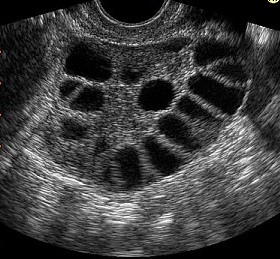
Patients with diminished ovarian reserve, recurrent implantation failure, or changing reproductive markers often require an adjusted IVF protocol rather than repetitive continuation of the same cycle design.
“Successful fertility care depends on interpretation and adaptation. A thoughtful IVF treatment review can uncover opportunities that were not apparent earlier in treatment.”
Dr. Minoos Hosseinzadeh
Signs Your Current Fertility Approach May Need Reassessment
Repeated Unsuccessful IVF Cycles
One failed IVF cycle does not necessarily indicate a problematic treatment path. However, repeated cycles producing similar outcomes may signal the need to reevaluate fertility treatment decisions.
Potential indicators include:
- Repeated implantation failure
- Similar embryo arrest patterns
- Lack of improvement between cycles
- Consistently low fertilization rates
Patients frequently ask how many IVF cycles before changing approach becomes appropriate. The answer depends less on cycle quantity and more on pattern recognition.
Poor Response to Stimulation
Low egg retrieval numbers or inconsistent ovarian response may indicate the need for protocol modification.
This is particularly relevant for patients with:
- Diminished ovarian reserve
- Low AMH levels
- Advanced maternal age
- Previous poor responder classification
Adjusting IVF protocol strategies may involve medication changes, stimulation modifications.
Limited Embryo Development
Embryo quality remains one of the most critical components of IVF success rates.
Patients experiencing:
- Low blastocyst formation
- Fragmented embryos
- Arrested embryo development
- Limited viable embryos
may benefit from deeper fertility testing and a more individualized IVF treatment plan.
Emotional or Financial Burnout
Fertility treatment fatigue is medically and psychologically significant.
Signs may include:
- Decision paralysis
- Emotional exhaustion
- Relationship strain
- Avoidance of appointments
- Increased anxiety surrounding treatment
Emotional sustainability should be considered part of a comprehensive fertility treatment decision guide.
The Difference Between Persistence and Repetition
Continuing fertility treatment is not always synonymous with progress.
Persistence becomes productive when treatment evolves strategically. Repetition occurs when identical approaches continue despite unchanged outcomes.
This distinction matters deeply.
Reevaluating fertility treatment discussions are not about abandoning hope. They are about improving direction.
Patients should feel empowered to ask:
- Is this IVF treatment plan producing measurable improvement?
- Has new diagnostic information emerged?
- Are we optimizing based on previous outcomes?
- Should we explore alternative technologies or protocols?
Questions to Ask During a Fertility Treatment Review
A structured IVF treatment review can provide substantial clarity.
Consider discussing the following during a fertility consultation San Diego appointment:
- Has my diagnosis changed since treatment began?
- Is embryo quality improving?
- Should medication protocols change?
- Is additional fertility testing recommended?
- Would ICSI improve fertilization outcomes?
- Is PGT testing appropriate?
- When should donor egg IVF be considered?
- Are my reproductive timelines still realistic?
- Would another perspective provide value?
Patients seeking a fertility treatment second opinion are often not looking to replace their physician immediately. Many simply want broader insight into available options.
When Advanced IVF Technology Becomes More Important
In repeated or complex IVF cases, embryo prioritization becomes increasingly consequential.
When only a limited number of embryos are available, selecting the most developmentally promising embryo becomes critically important.
Fertility Institute of San Diego is currently the only clinic in San Diego that includes AI-assisted EmbryoScope technology with Chloe AI as part of every IVF cycle.
This precision IVF approach supports more data-informed embryo assessment while helping reduce subjectivity in embryo grading.
AI-assisted embryo selection may be particularly valuable for patients experiencing:
- Repeated failed IVF next steps discussions
- Diminished ovarian reserve
- Limited embryo availability
- Prior embryo quality concerns
“Technology should enhance clinical judgment, not replace it. AI-assisted embryo selection provides another layer of analytical insight that can support individualized treatment decisions.”
Dr. Minoos Hosseinzadeh
Should You Consider a Second Opinion?
Seeking a second opinion in reproductive medicine is entirely normal.
Patients commonly pursue reevaluating IVF strategy consultations when:
- Treatment outcomes plateau
- Communication feels unclear
- They want broader perspective
- They are considering major treatment pivots
A San Diego reproductive endocrinologist consultation may help identify overlooked variables, additional testing opportunities, or alternative treatment sequencing.
Importantly, seeking another perspective does not invalidate prior care. Fertility medicine involves nuanced decision-making, and collaborative evaluation can be valuable.
When It May Be Time to Pivot Your Path
Sometimes progression requires a meaningful shift in strategy.
Potential pivots may include:
- Adjusting IVF protocol stimulation approaches
- Incorporating ICSI
- Adding PGT testing
- Exploring Platelet Rich Plasma (PRP)
- Exploring donor egg IVF
- Considering surrogacy
- Transitioning toward fertility preservation
For some patients, understanding when to consider donor eggs becomes an emotionally significant but empowering conversation.
A pivot should never be framed as defeat. In many cases, it represents the most strategic path toward achieving parenthood.
Emotional Clarity Matters Too
Fertility treatment decisions are rarely based solely on laboratory values.
Mental bandwidth, emotional resilience, and relational wellbeing all influence long-term treatment sustainability.
Patients often underestimate the cognitive burden associated with repeated cycles, ongoing uncertainty, and continuous decision-making.
A personalized fertility care approach recognizes that emotional clarity is clinically relevant.
At a private fertility clinic San Diego practice model like FISD, physician continuity allows patients to develop long-term strategic discussions directly with Dr. Hosseinzadeh throughout treatment.
Physician-Guided Fertility Care Makes a Difference
Effective fertility medicine requires more than protocols alone.
It requires:
- Personalized treatment adaptation
- Data-driven analysis
- Transparent communication
- Long-term planning
- Individualized reproductive strategy
Patients benefit when their fertility treatment plan evolves alongside emerging medical insights rather than remaining fixed to outdated assumptions.
The Goal Is Not Just More Treatment, It’s Better Direction
A mid-year fertility check-in can provide more than reflection. It can provide recalibration.
The goal is not simply continuing treatment indefinitely. The goal is pursuing the most informed, efficient, and emotionally sustainable path forward.
Reevaluating fertility treatment conversations are often where clarity begins.
If you’re ready to start your fertility journey, please book a complimentary virtual consultation with Dr. Hosseinzadeh to discuss fertility options or any reproductive healthcare questions.
FAQ
When should I reevaluate my IVF treatment plan?
Patients should consider an IVF treatment review after each unsuccessful cycle, poor ovarian response, persistent embryo quality concerns, or major life timeline changes.
How many failed IVF cycles are too many?
There is no universal number. The key factor is whether outcomes are improving or remaining unchanged despite multiple cycles.
Should I switch fertility clinics after failed IVF?
Not always. However, obtaining a fertility treatment second opinion can help patients evaluate whether alternative strategies or technologies may be beneficial.
What are signs IVF treatment isn’t working?
Common signs IVF treatment isn’t working may include repeated implantation failure, poor embryo development, low egg yield, or unchanged outcomes across cycles.
Can embryo selection affect IVF outcomes?
Yes. Embryo quality and selection play significant roles in IVF success rates, especially in patients with limited embryos available.
When should I consider donor eggs?
Patients with significantly diminished ovarian reserve, repeated poor embryo development, or advanced reproductive age may benefit from discussing donor egg IVF options.
Is it normal to change fertility strategies?
Absolutely. Reevaluating IVF strategy decisions is a standard and medically appropriate part of fertility care.