


For many couples and individuals, the journey to parenthood begins with hope and sometimes, a few unanswered questions. When natural conception takes longer than expected, IUI fertility treatment (intrauterine insemination) can offer a minimally invasive and effective solution. At the Fertility Institute of San Diego, patients receive personalized, one-on-one care from Dr. Minoos Hosseinzadeh, a double board-certified reproductive endocrinologist in California, who guides each case from start to finish.
“Every fertility journey is unique. My goal is to identify when IUI can truly make a difference, especially before moving to more complex options like IVF,” explains Dr. Hosseinzadeh.
What Is IUI Fertility Treatment?
Intrauterine insemination (IUI) is a procedure that introduces prepared, highly motile sperm directly into the uterus during ovulation, increasing the likelihood of fertilization. This treatment is often performed with ovulation induction, where mild fertility medications help the ovaries release one or two mature eggs.
7 Signs You May Need IUI Fertility Treatment
1. Difficulty Conceiving After 6–12 Months of Trying
If you’ve been trying to conceive for a year (or six months if you’re over 35) without success, IUI may be the first recommended step. “We begin with fertility testing in San Diego to understand where the challenge lies—sometimes the solution is as simple as improving timing and sperm delivery,” says Dr. Hosseinzadeh.
2. Mild Male Factor Infertility
When sperm count or motility is slightly below optimal, IUI can help by concentrating and placing the healthiest sperm closer to the egg. This can dramatically improve chances compared to timed intercourse.
3. Unexplained Infertility
In cases where testing shows no clear cause for infertility, IUI for unexplained infertility can help bridge the gap between natural conception and IVF. IUI with ovulation induction creates the most optimal scenario for increased conception success rates.
4. Cervical Mucus Problems
Thick or hostile cervical mucus can block sperm passage. With IUI, sperm bypasses the cervix entirely, entering the uterus directly. “For some women, the cervix presents a mechanical barrier. IUI helps us overcome that obstacle effectively,” notes Dr. Hosseinzadeh.
5. Ovulatory Disorders or Irregular Cycles
Patients who experience infrequent ovulation due to hormonal imbalances often benefit from ovulation induction and IUI. This combination ensures eggs are released and insemination is perfectly timed.
6. Donor Sperm or Single Parenthood
For single women or same-sex female couples, IUI using donor sperm is a reliable and safe method to achieve pregnancy. At the Fertility Institute of San Diego, Dr. Hosseinzadeh’s team offers comprehensive donor sperm coordination with personalized cycle management.
7. When You Want to Try a Less Invasive Option Before IVF
Many patients wonder when to consider IUI before IVF. IUI is typically less invasive, less costly, and can be a successful first-line treatment for mild fertility issues. “Before moving on to IVF, I always evaluate whether IUI could help achieve a natural conception experience with minimal intervention and stress,” says Dr. Hosseinzadeh.
How IUI Works Step by Step
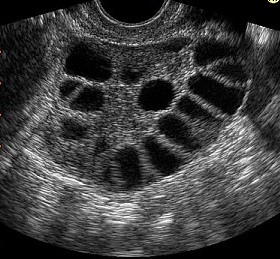
- Monitoring ovulation via ultrasound and bloodwork
- Timing and triggering ovulation with an injection of HCG in order to time the IUI procedure
- Sperm collection and preparation for insemination
- Painless insemination directly into the uterus
- Post-procedure hormone support and pregnancy testing two weeks later
Most patients can resume normal activity immediately after the procedure.
Who Is a Good Candidate for IUI?
Ideal candidates include couples with mild male factor or unexplained infertility, women with regular or medically regulated ovulation, individuals using donor sperm, and couples seeking lower-cost fertility treatment options. However, IUI may not be suitable for women with blocked fallopian tubes or severe endometriosis. In these cases, IVF offers a more direct path to success.
IUI Success Rates in San Diego
The success rates of IUI in San Diego vary by age, egg quality, and diagnosis. At the Fertility Institute of San Diego, success rates can reach 20–25% per cycle, especially when treatment is personalized. “We track every IUI cycle with precision and data. Our goal is to make each attempt as informed and optimized as possible,” shares Dr. Hosseinzadeh.
How Many IUI Cycles Are Recommended?
Generally, most specialists recommend up to three or four cycles before evaluating alternative treatments like IVF. Each cycle offers valuable insights into timing, egg response, and sperm quality.
FAQ: Your IUI Questions Answered
IUI enhances natural fertilization inside the body, while IVF fertilizes eggs in the lab before transferring embryos.
Typically, a pregnancy test is done two weeks after insemination.
Choosing the best IUI clinic in California ensures expert timing, lab quality, and ongoing support—key elements for success.
Take the Next Step Toward Parenthood
If you’ve been trying to conceive without success, you’re not alone. The right diagnosis and care plan can make all the difference. “It’s about creating the right conditions for conception—emotionally, physically, and medically,” emphasizes Dr. Hosseinzadeh.
If you’re ready to start your fertility journey, book a complimentary virtual consultation with Dr. Hosseinzadeh to review your fertility options and next steps.