


As summer vacations come to an end and daily routines begin to settle, many individuals and couples start focusing on personal goals they postponed earlier in the year. For those hoping to grow their family, this season offers an excellent opportunity to begin a fertility evaluation and prepare for treatment in the months ahead.
If you are considering IVF this fall, late summer is often the ideal time to schedule an IVF consultation, complete fertility testing, and develop a personalized treatment strategy. Beginning the evaluation process early provides valuable time to understand your reproductive health, review your options, and avoid unnecessary delays before starting treatment.
At Fertility Institute of San Diego, every patient receives individualized care from Dr. Minoos Hosseinzadeh, Founder and Medical Director, who personally guides patients through every stage of their fertility journey. This physician-led approach helps ensure that every treatment recommendation is based on careful evaluation rather than assumptions.
“Successful fertility treatment begins long before the first medication is prescribed. A comprehensive fertility evaluation allows us to understand each patient’s unique circumstances and create the most appropriate path forward.”
Dr. Minoos Hosseinzadeh
Why Many Patients Choose to Begin IVF in the Fall
Fall has become one of the most popular times to begin fertility treatment for several practical reasons. Summer often brings travel, changing schedules, and postponed appointments. Once routines return, many patients feel better prepared to prioritize their reproductive health.
Common reasons patients begin treatment during the fall include:
- More predictable work schedules
- Children returning to school
- Better ability to coordinate appointments
- Time to prepare before holiday commitments
- Renewed motivation after summer
For many patients, late summer fertility planning provides the ideal balance between preparation and flexibility, making it easier to begin a September IVF cycle or October IVF treatment if recommended.
Why Starting Your Fertility Evaluation Early Matters
A fertility evaluation before IVF is much more than a routine appointment. It provides the foundation for every future decision and helps identify the treatment most likely to support your family-building goals.
Your fertility evaluation may include:
- Comprehensive medical history review
- Hormone testing
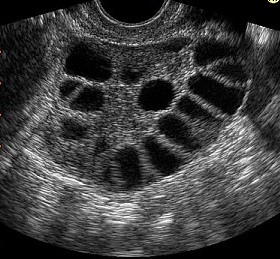
- Pelvic ultrasound
- Ovarian reserve testing
- Semen analysis
- Review of previous fertility treatments
- Lifestyle and reproductive health assessment
Rather than following a standardized protocol, the evaluation helps your physician understand the complete clinical picture and develop a treatment strategy tailored specifically to your needs.
As Dr. Hosseinzadeh explains:
“Every patient has a unique reproductive history. Personalized care begins by understanding that history and allowing the evaluation to guide the treatment recommendation.”
Dr. Hosseinzadeh
What Happens During Your Initial IVF Consultation?
Many patients worry that an IVF consultation will immediately lead to treatment. In reality, the consultation is primarily an educational and planning appointment.
During your visit, you can expect to discuss:
- Your personal and family medical history
- Previous pregnancies or fertility treatments
- Family-building goals
- Recommended fertility testing
- Expected IVF timeline planning
- Questions about available treatment options
- Next steps based on your evaluation
Whether you are trying to conceive naturally, considering IVF, exploring donor egg IVF, or seeking fertility preservation, the consultation provides clarity without pressure.
Fertility Testing Can Prevent Delays Later
One of the greatest benefits of beginning fertility testing before IVF is the opportunity to identify potential obstacles before treatment begins.
Early testing allows sufficient time to:
- Complete recommended diagnostic studies
- Review laboratory findings
- Optimize hormone levels when appropriate
- Coordinate medication schedules
- Plan around work and family commitments
- Schedule treatment efficiently
Patients frequently ask, “How long before IVF should I get tested?” While every situation is different, beginning the evaluation process several weeks before a desired treatment cycle often provides greater flexibility and reduces unnecessary stress.
Planning Financially for IVF
Preparing for IVF involves more than medical planning. Financial preparation can also contribute to a smoother experience.
Areas worth reviewing include:
- Insurance coverage
- Fertility benefits
- Medication costs
- Financing options
- Time away from work
- Travel expenses for international patients
- Accommodation planning when necessary
Completing these steps before treatment begins allows patients to focus on their care instead of last-minute logistics.
Why Couples Should Begin the Evaluation Together
Fertility is a shared journey. Even when one partner has already undergone evaluation, a comprehensive assessment of both partners often provides the clearest understanding of fertility potential.
A complete evaluation for couples may include:
- Female fertility testing
- Male fertility testing
- Semen analysis
- Medical history review
- Lifestyle assessment
- Discussion of reproductive goals
Evaluating both partners early can reduce delays and help ensure that treatment recommendations are based on complete information.
When Additional Treatment Planning May Be Recommended
Not every patient who schedules a fertility consultation will require IVF. The purpose of a comprehensive fertility evaluation is to determine the treatment that best matches each individual’s circumstances.
Depending on your evaluation, recommendations may include:
- Continued natural conception attempts
- Ovulation induction
- Intrauterine insemination (IUI)
- In vitro fertilization (IVF)
- Intracytoplasmic sperm injection (ICSI)
- Donor egg IVF
- Fertility preservation
- Genetic testing
- Gestational carrier
The evaluation guides the recommendation, not the other way around.
Precision IVF Begins Before the First Injection
Many people think IVF begins with fertility medications. In reality, successful treatment starts much earlier with thoughtful planning, comprehensive diagnostics, and individualized decision-making.
At Fertility Institute of San Diego, this philosophy is reflected in its Precision IVF approach, where every aspect of treatment is tailored to the patient’s unique reproductive profile.
Once treatment begins, laboratory excellence becomes equally important. Fertility Institute of San Diego is currently the only clinic in San Diego that includes AI-assisted EmbryoScope technology with Chloe AI as part of every IVF cycle. This advanced technology supports more objective, data-informed embryo selection while complementing the expertise of experienced embryologists.
Combining physician-led care, advanced laboratory technology, and individualized treatment planning helps patients move forward with greater confidence.
Creating a Personalized Timeline for September and October Treatment
Every patient’s timeline is unique, but many individuals preparing for fall treatment follow a similar progression.
Late Summer
- Schedule your fertility evaluation
- Complete fertility testing
- Attend your IVF consultation
- Review insurance and financing
- Develop your personalized treatment plan
Early Fall
- Review diagnostic results
- Finalize medications and protocol
- Begin treatment if appropriate
- Continue physician-guided monitoring
Your reproductive endocrinologist will recommend a timeline based on your medical history, fertility goals, and test results.
Questions to Ask Before Starting IVF This Fall
Preparing thoughtful questions can help you make informed decisions during your consultation.
Consider asking:
- Have all recommended fertility tests been completed?
- Is my treatment plan personalized?
- Should additional genetic testing be considered?
- Are there lifestyle changes that may improve treatment readiness?
- What is my expected IVF timeline?
- Should both partners complete fertility testing?
- Are donor egg IVF or fertility preservation appropriate options?
Planning Ahead Creates More Choices
Beginning your fertility evaluation during late summer provides valuable time to gather information, complete testing, and thoughtfully prepare for treatment if IVF is recommended. Rather than feeling rushed, patients can move into the fall with a clear understanding of their reproductive health and a personalized plan designed specifically for them.
Whether your evaluation leads to IVF, IUI, fertility preservation, or another treatment pathway, early planning helps reduce uncertainty and creates more opportunities to make informed decisions.
If you’re ready to start your fertility journey, please book a complimentary virtual consultation with Dr. Minoos Hosseinzadeh to discuss your fertility options or any reproductive healthcare questions. Our team is committed to providing compassionate, physician-led care that supports you every step of the way.
Frequently Asked Questions
When should I start preparing for IVF?
If you hope to begin treatment in the fall, scheduling your fertility evaluation and IVF consultation during late summer allows adequate time for testing, planning, and personalized recommendations.
How long before IVF should I have fertility testing?
The ideal timing varies by patient, but completing fertility testing several weeks before your intended treatment cycle allows time to review results and develop an individualized treatment plan.
What happens during a fertility consultation?
Your consultation includes a review of your medical history, reproductive goals, previous treatments, recommended fertility testing, and discussion of the most appropriate next steps.
Should both partners have fertility testing?
Yes. Fertility involves both partners, and a comprehensive evaluation often includes female fertility testing, semen analysis, and review of each partner’s medical history.
Can I start IVF in the fall if I begin testing in August?
In many cases, yes. Beginning your fertility evaluation in late summer often provides sufficient time to complete testing and prepare for a September or October treatment cycle, depending on your individual circumstances.
What tests are needed before IVF?
Testing commonly includes hormone evaluation, ovarian reserve testing, pelvic ultrasound, semen analysis, and review of previous fertility treatments. Additional tests may be recommended based on your medical history.
How do I prepare financially for IVF?
Review your insurance benefits, understand medication costs, explore financing options if needed, and plan for any travel or time away from work before treatment begins.