

Endometriosis Awareness Month invites a deeper, more accurate conversation about a condition that affects millions yet remains frequently misunderstood. For many patients, the intersection of endometriosis and fertility becomes the moment when years of unexplained pain finally demand answers. At a fertility clinic San Diego patients trust, education and early evaluation change both outcomes and emotional trajectories.
As Dr. Minoos Hosseinzadeh, Founder and Medical Director at Fertility Institute of San Diego, explains, “Endometriosis is not just a pain condition. It is a fertility condition. When we identify it early and evaluate both partners thoroughly, we gain time, clarity, and better reproductive options.”
Why Endometriosis Awareness Matters in Fertility Care
March marks Endometriosis Awareness Month, a time to highlight the persistent gap between symptoms and diagnosis. Many patients are told their pain is normal or unrelated to fertility until months or years of trying to conceive reveal deeper issues. Endometriosis infertility is often discovered late, after inflammation and anatomical changes have already progressed.
Awareness matters because early evaluation leads to earlier intervention, more treatment options, and less emotional exhaustion. When endometriosis and fertility concerns are addressed promptly through comprehensive fertility testing San Diego patients can access in one coordinated setting, unnecessary delays are avoided and clarity comes sooner.
What Is Endometriosis
Endometriosis occurs when tissue similar to the uterine lining implants outside the uterus, most commonly on the ovaries, fallopian tubes, and pelvic structures. These implants respond to hormonal cycles, creating chronic inflammation, microscopic scarring, and in some cases adhesions that alter pelvic anatomy over time.
Common symptoms include
- Pelvic pain
- Heavy or irregular periods
- Pain during intercourse
- Gastrointestinal discomfort
- Fatigue
Importantly, symptom severity does not reliably predict fertility impact. Some patients with minimal pain experience significant endometriosis infertility, while others with severe pain conceive without assistance. This disconnect is why objective fertility evaluation is essential.
How Endometriosis Can Affect Fertility
The relationship between endometriosis and fertility involves multiple overlapping mechanisms rather than a single cause.
Pelvic Inflammation and Fertility
Endometriosis is closely linked to chronic pelvic inflammation. Inflammatory mediators can disrupt the reproductive environment, affecting egg maturation, sperm function, and early embryo development. This inflammatory state may also contribute to endometriosis and implantation failure, even when embryos appear viable.
Scarring, Adhesions, and Tubal Function
Scar tissue and adhesions may distort pelvic anatomy, limiting egg pickup by the fallopian tubes. This can impair fertilization and increase the likelihood of unexplained infertility and endometriosis being connected, even when basic imaging appears normal.
Ovarian Reserve, AMH, and Egg Quality
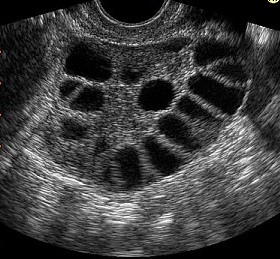
In some patients, ovarian involvement leads to declining ovarian reserve over time. Evaluating ovarian reserve and endometriosis often includes AMH levels and antral follicle count. Questions about AMH and endometriosis are common, as inflammation and prior surgery can influence ovarian function and long term fertility planning.
Endometriomas
An endometrioma is an ovarian cyst formed from endometriosis tissue. These cysts can interfere with follicular development, complicate egg retrieval, and affect egg quality and endometriosis outcomes by sustaining a chronic inflammatory environment.
Can You Get Pregnant With Endometriosis
Yes. Many patients do get pregnant with endometriosis. When patients ask, can you get pregnant with endometriosis, the more meaningful question becomes which strategy aligns with age, ovarian reserve, symptom burden, and reproductive timeline. Timing and personalization matter.
Dr. Hosseinzadeh emphasizes, “Endometriosis does not define your outcome. Your age, ovarian reserve, prior surgeries, and partner factors all shape the best path forward.”
Fertility Treatment Options for Patients With Endometriosis
Selecting the right fertility treatment for endometriosis depends on matching the treatment approach to the biology of the case.
Natural Conception When Appropriate
Natural conception may be appropriate for patients with mild disease, normal ovarian reserve, and no significant tubal impairment. Early evaluation helps establish realistic timelines rather than prolonged waiting that may reduce future options.
IUI Considerations
When weighing IVF vs IUI for endometriosis, IUI may be considered in carefully selected cases. However, success rates are often lower in moderate to severe endometriosis infertility, particularly when pelvic inflammation or structural distortion is present.
IVF Success Rates for Endometriosis
For many patients, IVF offers the highest likelihood of pregnancy per cycle. It bypasses tubal factors and allows controlled fertilization and embryo culture. When discussing endometriosis and IVF success rates, outcomes depend not only on disease stage but also on age, ovarian response, embryo quality, and laboratory standards. Choosing an experienced IVF San Diego program with comprehensive in house diagnostics can significantly streamline care.
Fertility Preservation Options
Younger patients or those planning surgery may benefit from fertility preservation options such as egg freezing. This approach can safeguard reproductive potential when disease progression or treatment timing is uncertain.
Precision IVF for Endometriosis at FISD
Patients with endometriosis often produce fewer embryos, making embryo selection especially critical. In these cases, laboratory quality directly influences outcomes.
Fertility Institute of San Diego is currently the only clinic in San Diego that includes AI assisted EmbryoScope technology with Chloe AI as part of every IVF cycle, supporting more informed embryo selection, particularly important in endometriosis related infertility.
Continuous embryo monitoring allows embryologists to observe development without repeated handling. Reduced manipulation supports embryo stability, while data driven selection prioritizes embryos with optimal developmental patterns. This precision is especially valuable in complex fertility care cases where every embryo represents significant emotional and biological investment.
Surgery, Medical Management, and Fertility Timing
Decisions around endometriosis surgery and fertility must be individualized. Surgery may improve fertility by restoring anatomy or addressing endometriomas, but repeated ovarian surgery can compromise ovarian reserve. Medical suppression may relieve symptoms but does not improve fertility long term. Coordinated care between surgeons and fertility specialists is essential to avoid unintended delays or diminished outcomes.
When to See a Fertility Specialist for Endometriosis
If you are wondering when to see a fertility specialist for endometriosis, earlier evaluation often provides more options, especially when age or ovarian reserve is a concern.
Consider scheduling an evaluation if any of the following apply:
- Trying to conceive for more than 6 to 12 months
- Age over 35
- Known endometriomas
- Prior pelvic or endometriosis surgery
- Recurrent pregnancy loss
Dr. Hosseinzadeh notes, “When patients come in earlier, we can clarify the true barriers and choose the least invasive path that still protects their time.”
Emotional Impact of Endometriosis and Infertility
Endometriosis frequently creates a dual burden of chronic symptoms and fertility uncertainty. Many patients feel dismissed or misunderstood before receiving a diagnosis. Validation and compassionate care are not optional extras. They are integral to effective treatment. Supporting emotional well being improves decision making and long term resilience throughout the fertility journey.
“As physicians, our role is not only to treat disease but to restore confidence and agency,” says Dr. Hosseinzadeh.
FAQ
Does endometriosis always cause infertility
No. Many patients conceive naturally, but the risk of endometriosis infertility increases with disease severity, age, and delayed diagnosis.
Can you get pregnant naturally with endometriosis
Yes. Mild disease with normal ovarian reserve and open tubes may still allow natural conception with appropriate monitoring.
Is IVF recommended for endometriosis
IVF is often recommended for moderate to severe cases or when time is limited, as it bypasses tubal factors and supports precise embryo selection.
Does endometriosis affect egg quality
It can. Chronic inflammation and ovarian involvement may influence egg quality, especially when endometriomas are present.
What stage of endometriosis affects fertility most
Advanced stages carry higher risk, but early stages can still affect implantation and contribute to unexplained infertility.
Should endometriosis be treated before IVF
Treatment decisions depend on symptoms, ovarian reserve, endometrioma size, and prior response to therapy.
Does AI assisted embryo selection help in endometriosis cases
Yes. When embryo numbers are limited, AI assisted monitoring supports more informed selection and may improve implantation potential.
Endometriosis Awareness Is About Knowledge, Not Fear
Endometriosis Awareness Month is ultimately about empowerment. Earlier intervention preserves options, protects ovarian reserve, and replaces uncertainty with informed choice. With the right guidance, hope remains grounded in science rather than chance.
If you are ready to start your fertility journey, please book a complimentary virtual consultation with Dr. Hosseinzadeh to review fertility options or any other reproductive healthcare questions.