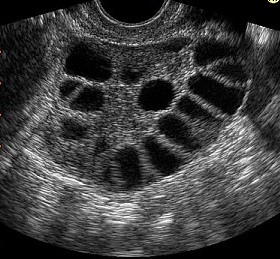



Stress Awareness Month and Why This Topic Matters in Fertility
April marks Stress Awareness Month, a time dedicated to examining how psychological and physiological stress intersect with overall health. In fertility care, this conversation becomes particularly nuanced. Patients navigating infertility often face prolonged uncertainty, repeated decision-making, and emotional vulnerability.
Many individuals hear the phrase “just relax” when discussing stress and fertility. While often well-intended, this oversimplification can inadvertently create guilt. The reality is more complex. Stress does not directly cause infertility, but it can influence the hormonal and neuroendocrine systems that support reproductive function.
“Fertility is a biologically intricate process. Emotional well-being matters, but it is not the sole determinant of reproductive success. Our goal is to support both the physiology and the person experiencing it.”
Dr. Minoos Hosseinzadeh
What Happens in the Body During Stress?
To understand stress and fertility, we begin with the hypothalamic-pituitary-adrenal axis, commonly referred to as the HPA axis. This regulatory system governs how the body responds to stressors.
When stress is perceived:
- The hypothalamus signals the pituitary gland
- The pituitary stimulates the adrenal glands
- The adrenal glands release cortisol
Cortisol, often called the stress hormone, plays a critical role in energy regulation and survival. However, chronic elevation in cortisol levels can influence other hormonal pathways, including those involved in reproductive health.
Simultaneously, the sympathetic nervous system activates, increasing heart rate and redirecting energy away from non-essential processes such as reproduction. This does not halt fertility, but it may shift hormonal balance in subtle ways.
Cortisol and Its Role in Reproductive Hormones
The relationship between cortisol and fertility is not binary. Instead, it is modulatory.
Elevated cortisol can influence the pulsatile release of gonadotropin-releasing hormone, which regulates luteinizing hormone and follicle-stimulating hormone. These hormones are essential for ovulation and follicular development.
In certain cases:
- Cortisol may alter ovulation timing
- Hormonal signaling may become less predictable
- The endocrine system may prioritize stress adaptation over reproductive efficiency
However, these effects are context-dependent. Not every individual experiencing stress will develop ovulatory dysfunction.
“Cortisol interacts with reproductive hormones, but it does not override them entirely. We look at patterns, not isolated factors.”
Dr. Hosseinzadeh
Stress, Ovulation, and Menstrual Cycles
Chronic stress has been associated with menstrual irregularity in some individuals. This can manifest as:
- Delayed ovulation
- Shortened or lengthened cycles
- In rare cases, hypothalamic amenorrhea
Hypothalamic amenorrhea occurs when the brain reduces reproductive signaling due to perceived physiological strain. It is more commonly associated with combined stressors such as significant weight loss, excessive exercise, and psychological stress.
Importantly, many individuals with high stress levels continue to ovulate regularly. This reinforces the need for individualized evaluation rather than generalized assumptions.
Stress and Male Fertility: Testosterone and Sperm Health
Fertility is not exclusively a female-centered process. Male reproductive health is equally sensitive to physiological stress.
Elevated cortisol can suppress testosterone production, which may impact:
- Sperm concentration
- Motility
- Morphology
Lifestyle factors often overlap with stress, including sleep deprivation, alcohol consumption, and dietary imbalance. These variables can compound the effects of stress hormones on sperm health.
“Male fertility is a critical part of the equation. We evaluate both partners with equal rigor.”
Dr. Hosseinzadeh
Does Stress Cause Infertility? Separating Myth From Evidence
A common misconception is that stress directly causes infertility. Current evidence does not support this claim.
Key clarifications:
- Stress alone is not a primary cause of infertility
- Many individuals conceive during periods of high stress
- Most infertility diagnoses have identifiable medical or biological factors
What stress can influence:
- Cycle regularity in some individuals
- Emotional resilience during treatment
- Decision-making and adherence to treatment plans
This distinction is essential. Removing blame from patients fosters a more constructive and compassionate treatment environment.
What Research Says About Stress and IVF Outcomes
Research on IVF stress outcomes presents mixed findings.
Some studies suggest minimal direct correlation between psychological stress and IVF success rates. Others highlight indirect pathways, including:
- Treatment adherence
- Sleep quality
- Lifestyle behaviors
- Emotional well-being
The consensus remains consistent. Stress does not determine IVF success, but managing it can enhance the treatment experience.
Where Precision IVF Fits In
One of the most significant stressors in fertility treatment is uncertainty. Questions about embryo quality, selection, and implantation potential can create considerable emotional strain.
At the Fertility Institute of San Diego, precision IVF integrates advanced technologies to reduce this uncertainty.
The clinic includes AI-assisted EmbryoScope technology with Chloe AI as part of every IVF cycle. This approach supports data-informed embryo selection by analyzing developmental patterns over time.
This precision-driven methodology:
- Enhances objectivity in embryo evaluation
- Reduces reliance on subjective grading
- Provides patients with greater confidence in clinical decisions
“Technology allows us to move from estimation to precision. That clarity can significantly reduce emotional burden during IVF.”
Dr. Hosseinzadeh
Managing Stress Without Blaming Yourself
Stress management in fertility care should never be framed as a prerequisite for success. Instead, it should be approached as supportive care.
Key principles:
- Remove self-blame
- Focus on controllable variables
- Recognize that emotional responses are valid
Fertility journeys are inherently complex. Emotional fluctuation is not a failure. It is a human response to uncertainty.
Practical, Evidence-Based Ways to Support Mental Well-Being
Rather than adopting generic wellness advice, evidence-based strategies offer meaningful support:
- Sleep optimization to regulate cortisol rhythms
- Moderate physical activity to support hormonal balance
- Cognitive behavioral techniques to manage intrusive thoughts
- Limiting excessive online research to reduce cognitive overload
- Structured support systems including partners, clinicians, and therapists
These interventions support both mental clarity and physiological stability without creating unrealistic expectations.
When to Seek Support
Professional support may be beneficial when experiencing:
- Persistent anxiety or depressive symptoms
- Treatment fatigue or burnout
- Relationship strain related to fertility challenges
Fertility-informed therapists can provide targeted support tailored to reproductive health experiences.
The Mind-Body Connection Is Real But Not Simplistic
The relationship between stress and fertility is multifactorial. While stress and fertility are interconnected, they do not operate in isolation.
Fertility outcomes depend on:
- Hormonal balance
- Egg and sperm quality
- Uterine environment
- Clinical decision-making
A balanced perspective recognizes the influence of stress without overstating its role.
Frequently Asked Questions
Does stress affect fertility?
Stress can influence hormonal signaling and cycle patterns in some individuals, but it does not directly cause infertility.
Can cortisol impact ovulation?
Elevated cortisol may affect hormonal communication involved in ovulation, though effects vary by individual.
Does stress reduce IVF success rates?
Current evidence shows minimal direct impact. Stress may influence lifestyle and treatment experience.
Can stress affect sperm health?
Yes, elevated cortisol can reduce testosterone levels and affect sperm quality.
Should I reduce stress before IVF?
Managing stress can improve your experience, but it is not a requirement for success.
Is infertility caused by stress?
No. Infertility is typically due to medical or biological factors.
How can I manage stress during fertility treatment?
Focus on sleep, structured support, and evidence-based mental health strategies.
Final Thoughts
Understanding the mind body connection in fertility requires nuance, not simplification. Stress is one component within a broader physiological system. Addressing it with clarity, compassion, and scientific precision empowers patients without placing unnecessary responsibility on them.
If you are ready to explore your fertility options, schedule a complimentary virtual consultation with Dr. Hosseinzadeh to receive personalized, evidence-based guidance.