

A breast cancer diagnosis can change the direction of life in a matter of days. Suddenly, conversations revolve around pathology, surgery, chemotherapy, medications, and treatment schedules. For women who hope to have biological children in the future, another important question may emerge: How could breast cancer treatment affect my fertility?
During Breast Cancer Awareness Month, it is important to recognize that survivorship can include thinking about future family-building goals. For reproductive-age patients, breast cancer fertility preservation should ideally be discussed as early as feasible after diagnosis and before potentially fertility-impacting treatment begins.
“Cancer treatment must remain the medical priority, but patients also deserve the opportunity to understand how treatment may affect their reproductive future,”
“Early communication allows the fertility specialist and oncology team to evaluate what may be possible without creating unnecessary delays.”
Dr. Minoos Hosseinzadeh
Why Fertility Should Be Discussed Before Cancer Treatment Begins
Breast cancer does not automatically mean infertility. Likewise, not every treatment affects reproductive function in the same way.
The potential impact of breast cancer and fertility depends on several factors, including:
- Age at diagnosis
- Baseline ovarian reserve
- Chemotherapy regimen
- Overall cancer treatment plan
- Individual reproductive history
- Whether future pregnancy is desired
Some systemic cancer treatments, particularly certain chemotherapy regimens, may damage ovarian follicles and reduce ovarian reserve. The degree of gonadotoxicity, meaning the potential for treatment to damage reproductive cells or organs, varies considerably according to the treatment received and individual circumstances.
This is why fertility preservation before cancer treatment is highly individualized. A reproductive endocrinologist can evaluate ovarian reserve and discuss available options in the context of the treatment plan established by the oncology team.
Does Chemotherapy Affect Fertility?
Chemotherapy can affect fertility, but the impact is not identical for every patient.
Some chemotherapy agents may damage follicles within the ovaries, potentially reducing ovarian reserve or contributing to premature ovarian insufficiency. Age is also important because ovarian reserve naturally declines over time.
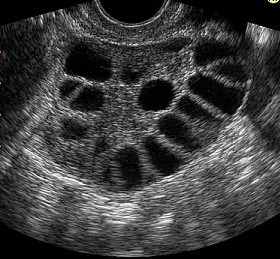
Tests such as anti-Müllerian hormone, commonly called AMH, along with an ultrasound assessment of the ovaries, may provide useful information about ovarian reserve. AMH can help estimate ovarian reserve and anticipated response to ovarian stimulation, but it does not independently determine whether someone will be able to conceive naturally in the future.
“An ovarian reserve assessment gives us important information, but it is only one part of the picture,”
“We also consider the patient’s age, medical history, oncology treatment plan, and future family-building goals.”
Dr. Hosseinzadeh
How to Preserve Fertility Before Cancer Treatment
For some reproductive-age women, egg freezing before chemotherapy or embryo cryopreservation may be considered when medically appropriate.
The process generally involves ovarian stimulation followed by egg retrieval. Retrieved mature eggs can then be cryopreserved, or eggs can be fertilized to create embryos before cryopreservation.
The appropriate approach depends on the individual patient, available time, medical circumstances, and personal preferences.
Fertility preservation should therefore involve communication between the reproductive endocrinologist and oncology team rather than functioning as a separate treatment pathway. Cancer treatment remains the priority, while fertility-preservation planning considers whether an appropriate opportunity exists before potentially gonadotoxic treatment begins.
How Quickly Can Eggs Be Frozen Before Cancer Treatment?
One of the most urgent questions following diagnosis is, “How long does egg freezing take before cancer treatment?”
Patients sometimes assume that ovarian stimulation requires waiting for the beginning of another menstrual cycle. Modern fertility-preservation protocols may allow ovarian stimulation to begin at different points in the menstrual cycle when clinically appropriate, an approach commonly called random-start ovarian stimulation.
For appropriate patients, this approach may reduce the need to wait for a particular phase of the menstrual cycle before beginning ovarian stimulation.
However, there is no universal timeline for egg freezing before breast cancer treatment. The time available depends on the cancer diagnosis, planned treatment, ovarian response, individual medical circumstances, and recommendations of the oncology team.
The most important step is therefore not assuming that there is either enough time or too little time. A prompt fertility preservation consultation can help determine what may be feasible within the patient’s individual cancer treatment plan.
Should You Freeze Eggs or Embryos?
Mature oocyte cryopreservation, commonly known as egg freezing, and embryo cryopreservation are established fertility-preservation options that may be considered when medically appropriate.
Egg freezing allows retrieved mature eggs to be cryopreserved without selecting a sperm source at the time of preservation. This may provide reproductive autonomy for someone who is not currently ready to make decisions about fertilization.
Embryo freezing involves fertilizing retrieved eggs before cryopreservation. This may be considered when appropriate based on the patient’s circumstances and future family-building plans.
Neither option is universally better. The decision can involve medical, personal, reproductive, and sometimes legal considerations.
Importantly, freezing eggs or embryos preserves an opportunity for future family building. It does not guarantee a future pregnancy. Age at freezing, the number of mature eggs obtained, subsequent fertilization and embryo development, and future reproductive circumstances can all influence outcomes.
What About Hormone-Sensitive Breast Cancer?
Patients diagnosed with hormone receptor-positive breast cancer may understandably have additional concerns about ovarian stimulation because conventional stimulation can temporarily increase estrogen levels.
This requires individualized medical planning.
Fertility-preservation protocols can be modified for some patients with hormone-sensitive cancers, including protocols that incorporate estrogen-modulating medications. Whether ovarian stimulation is appropriate must be determined for the individual patient through coordination between the reproductive endocrinologist and oncology team.
A blanket statement that ovarian stimulation is appropriate for every breast cancer patient would be inaccurate. The cancer diagnosis, treatment plan, timing, hormone receptor status, and individual risk profile all matter.
When Should You See a Fertility Specialist?
Ideally, the conversation about breast cancer fertility preservation should happen as early as feasible after diagnosis and before chemotherapy or another potentially gonadotoxic treatment begins.
A typical pathway may include:
Breast cancer diagnosis → fertility discussion → fertility consultation → ovarian reserve assessment → review of preservation options → coordination with oncology → fertility preservation when medically appropriate → cancer treatment
At Fertility Institute of San Diego, patients receive individualized care with Dr. Minoos Hosseinzadeh throughout their fertility treatment.
“When someone has just received a cancer diagnosis, the last thing she needs is another confusing process,”
“Our goal is to provide clear information, coordinate carefully with her oncology team, and help her make an informed decision about fertility preservation based on her individual circumstances.”
Dr. Hosseinzadeh
Breast Cancer Fertility Preservation in San Diego
For patients seeking oncofertility treatment in San Diego, timing matters. An early fertility preservation consultation does not mean that a patient must proceed with egg freezing, embryo freezing, or another intervention.
It provides information.
Understanding ovarian reserve, learning how the planned cancer treatment may affect fertility, and discussing realistic preservation options can help patients make informed decisions before treatment begins.
Cancer care remains the priority. Fertility preservation is about making sure future reproductive goals are considered within that care whenever medically feasible.
Frequently Asked Questions
Can I freeze my eggs after a breast cancer diagnosis?
Potentially. Eligibility depends on your diagnosis, treatment plan, available time, ovarian reserve, and individual medical circumstances. Your fertility specialist and oncology team should coordinate the decision.
Will fertility preservation delay cancer treatment?
Not necessarily. Random-start ovarian stimulation can sometimes allow treatment to begin without waiting for a particular menstrual-cycle phase. The available timeframe and whether fertility preservation is appropriate should be determined in coordination with the oncology team.
Does chemotherapy permanently damage ovarian reserve?
Chemotherapy can reduce ovarian reserve, but the effect varies according to factors such as age, baseline ovarian reserve, and the chemotherapy regimen. Individual assessment is essential.
How many eggs should I freeze before chemotherapy?
There is no universal number. Age, ovarian reserve, ovarian response, the number of mature eggs retrieved, and future family-building goals can all influence counseling and potential outcomes.
Should I freeze eggs or embryos before cancer treatment?
Both may be options depending on your medical circumstances and reproductive goals. Egg freezing does not require selecting a sperm source at the time of preservation, while embryo freezing involves fertilization before cryopreservation. Neither approach is universally preferable.
Can I have children after breast cancer treatment?
Pregnancy and family building may be possible after breast cancer treatment, depending on the individual’s reproductive function, cancer history, treatment received, medical guidance, and whether fertility preservation was performed.
When should I see a fertility specialist after a breast cancer diagnosis?
Ideally, as early as feasible after diagnosis and before potentially fertility-impacting treatment begins. An early consultation allows the fertility specialist and oncology team to determine whether preservation is medically appropriate and what options may be available.
Protecting Future Possibilities
A breast cancer diagnosis requires important and sometimes urgent decisions, but questions about future fertility deserve a place in those conversations.
For women who may want biological children later, discussing fertility preservation before cancer treatment early can provide valuable information while there may still be an opportunity to act. The objective is not to create additional pressure during an already difficult time. It is to make sure an important part of the patient’s future is considered alongside her immediate medical needs.
If you have recently received a breast cancer diagnosis and would like to understand your fertility-preservation options before treatment, please book a complimentary virtual consultation with Dr. Hosseinzadeh to discuss your reproductive goals and individual circumstances, click here.